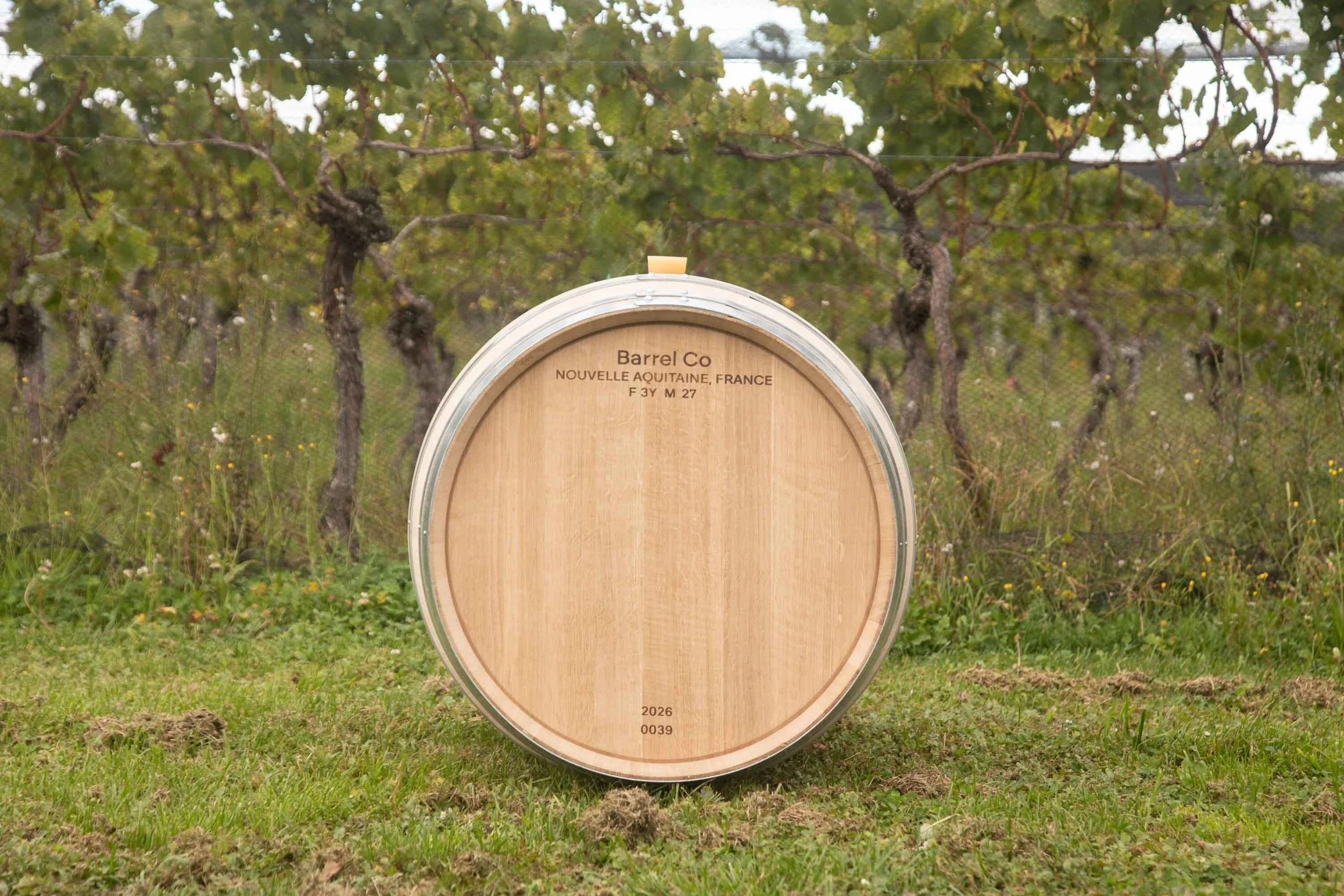
Barrel consistency – What can actually be controlled?
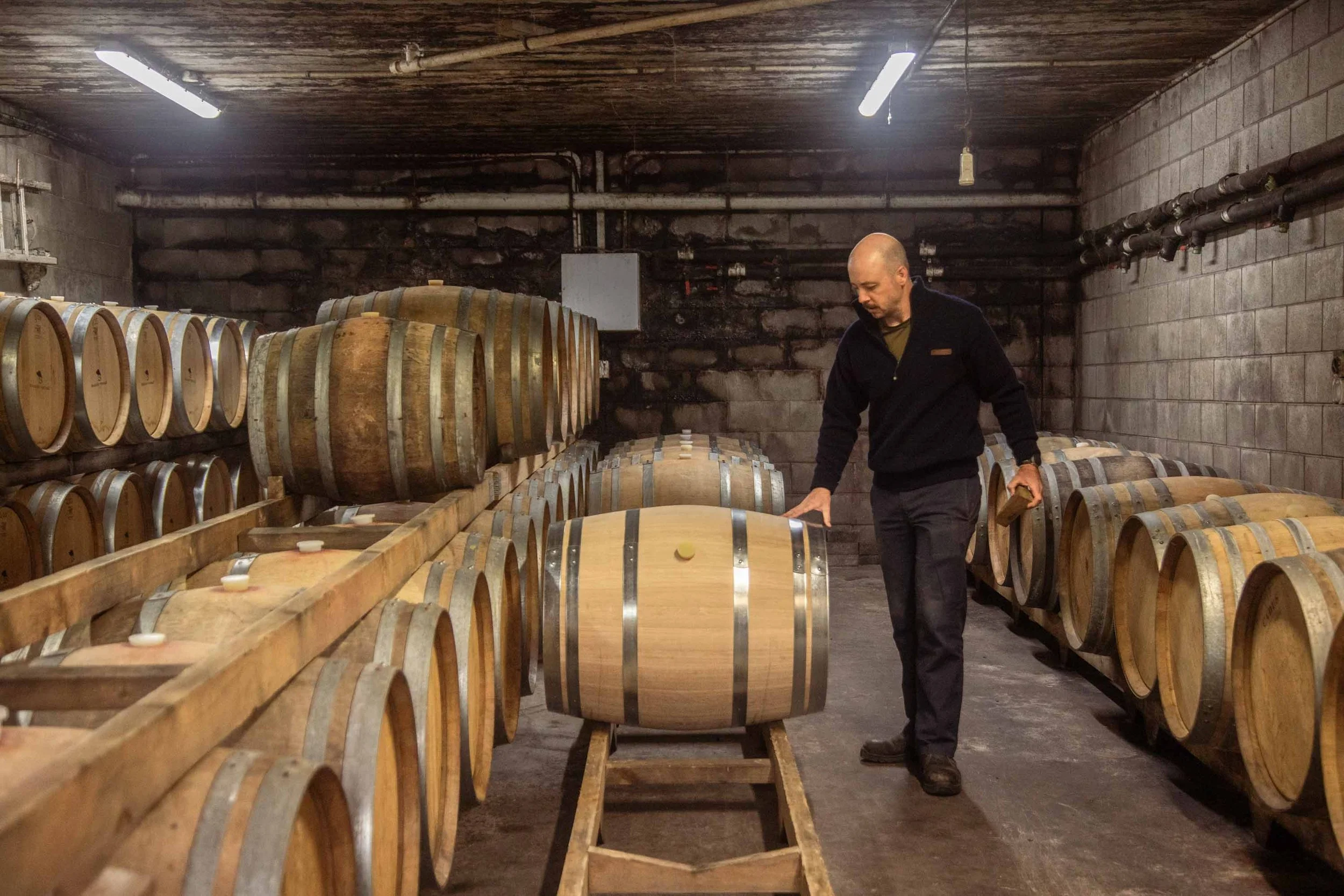
Oak is one of the most powerful tools in your cellar. It shapes flavours, aromas, texture and the way a wine evolves over time.
So when you specify grain, seasoning and toast, you’re expecting a certain direction in the glass. Some variation is part of working with oak, but good coopering is about managing that variation, so barrels perform within a predictable window.
Over the next few months, we’re going to explore barrel consistency a little more. But rather than revisiting the basics of oak, we want to look closer at the parts of the process that can potentially be influenced by the cooper to deliver even more predictability, without losing character.
Areas we are going to look at include:
Consistency in a world of variability
Provenance and grain remain key reference points in barrel selection given their significant influence over oxygen transfer rates, tannin potential and aromatic precursors, which in turn influence the resulting wine. Names like Allier, Tronçais, Jupille and Vosges signal expectation for good reason.
But forests, parcels and even individual trees aren’t uniform, and forest ownership and auction systems don’t guarantee the same wood year after year. Even with careful selection, variation creeps in. That doesn’t make consistency impossible, just that provenance alone can’t guarantee it. Barrel consistency sits on a continuum. There’s a level of variation that winemakers accept today, based on what the industry has traditionally been able to control. The opportunity for coopers is to keep tightening that range.
The level of barrel consistency year after year or even within a production batch is the result of how the variables are managed together over time by the stave maker and cooper. As those variables are better understood and more precisely controlled, the acceptable range of consistency can continue to improve.
Seasoning: a quality lever with economic realities
Seasoning does a lot of the heavy lifting. Time outside lets rain pull out harsher tannins and softens the wood so the oak integrates more cleanly with the wine. It also helps stabilise moisture levels, which affects how the barrel breathes once it’s filled.
Longer seasoning generally leads to better integration. For premium programmes, 36 months has become a common benchmark for age-worthy wines (with some going beyond that). But every extra month comes at a cost, and at a certain point the gains get smaller while the cost to the winemaker keeps climbing.
From the cooper’s side, the focus is on keeping seasoning consistent, which is tricky when no two years are identical weather-wise. They can’t remove variability altogether, but what they can do is keep the approach consistent enough that barrels behave within a predictable range year to year.
Toast: craft, experience and variability
The toasting of barrels is the Richie McCaw of the whole barrel manufacturing process but also one of the hardest parts to measure. Skill and experience matter enormously, but outcomes are still largely assessed through visual and sensory cues during production.
Cooperages often emphasise heritage and artisanship, and rightly so. Craft and experience is central to the process. But if craft is treated as beyond measurement, it can limit progress toward greater consistency.
Measuring what matters
Some technologies exist, but most measure inputs rather than outcomes and still struggle to predict the actual aromatic and structural result in the oak.
If greater consistency is the goal, then the focus has to move beyond inputs alone. Most barrels today are graded by timber characteristics and managed through production by eye and experience. Those inputs are important, but they don’t fully describe how a finished barrel will behave in the cellar.
To reduce unnecessary variation, we need to better understand outputs as well: the real aromatic and structural profile each barrel delivers. Without that feedback loop, consistency will always rely heavily on experience and approximation.
Crafting with greater precision
Our aim is to support winemakers with precision-crafted barrels that deliver greater consistency and more control. We respect the mastery of French cooperage: careful grain selection, long seasoning and precise toasting. These traditions define the character and structure of many of the world’s most celebrated wines, and they remain fundamental.
But we also believe the future of coopering lies in understanding barrels not only by what goes into them, but by what they produce. That’s where we see opportunity. We’re exploring technologies that can measure the aromatic and structural profile of each barrel more precisely.
When outputs can be measured, they can be understood. When they can be understood, they can be repeated. And when they can be repeated, you gain more control.
Over time, this opens the possibility of refining your own barrel “recipe” with far greater accuracy, while still honouring tradition and the natural variation that gives oak its character. We’ll be sharing more on how technology can work alongside traditional coopering to further improve consistency in following emails.