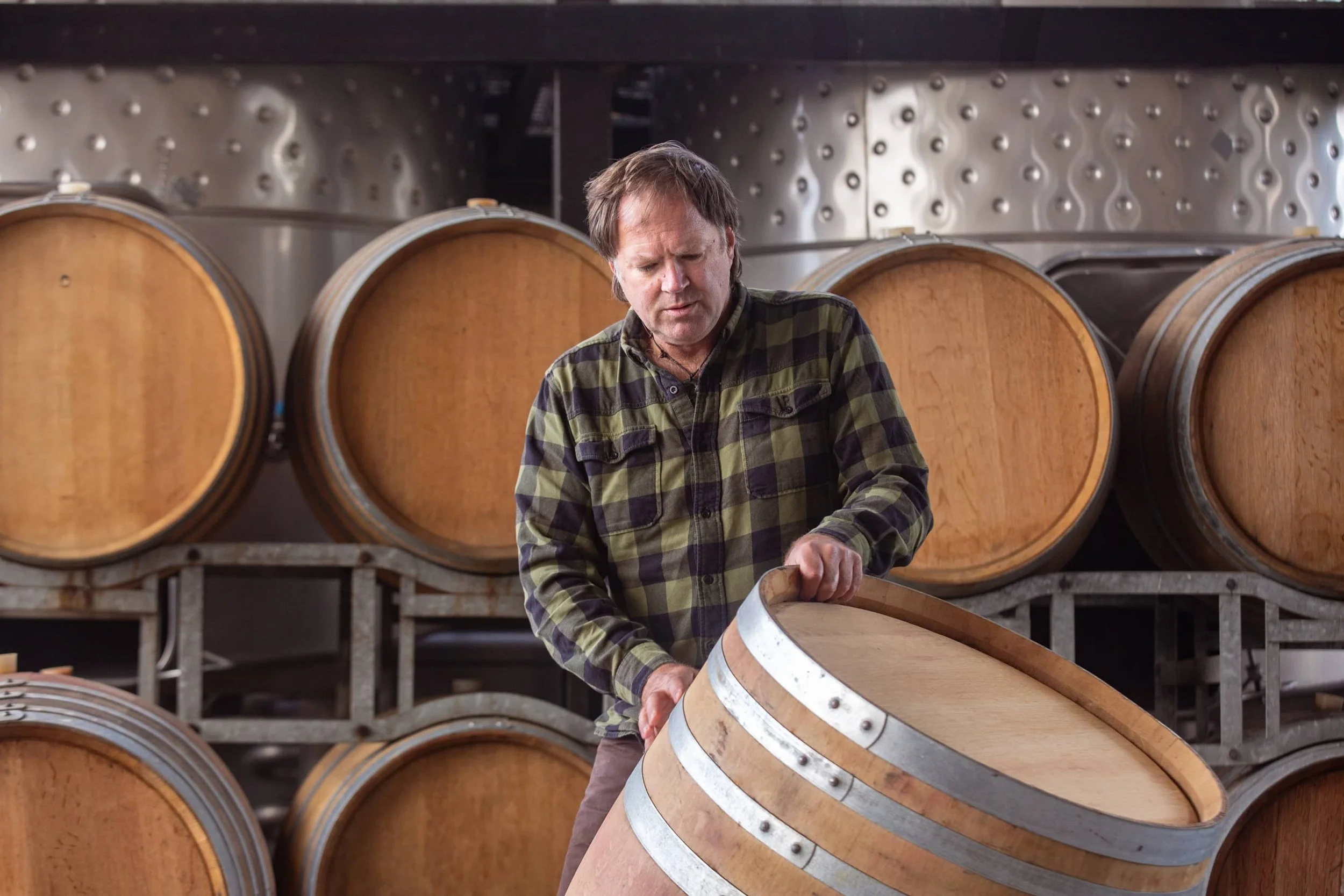
Provenance – what it tells you and where its limits sit
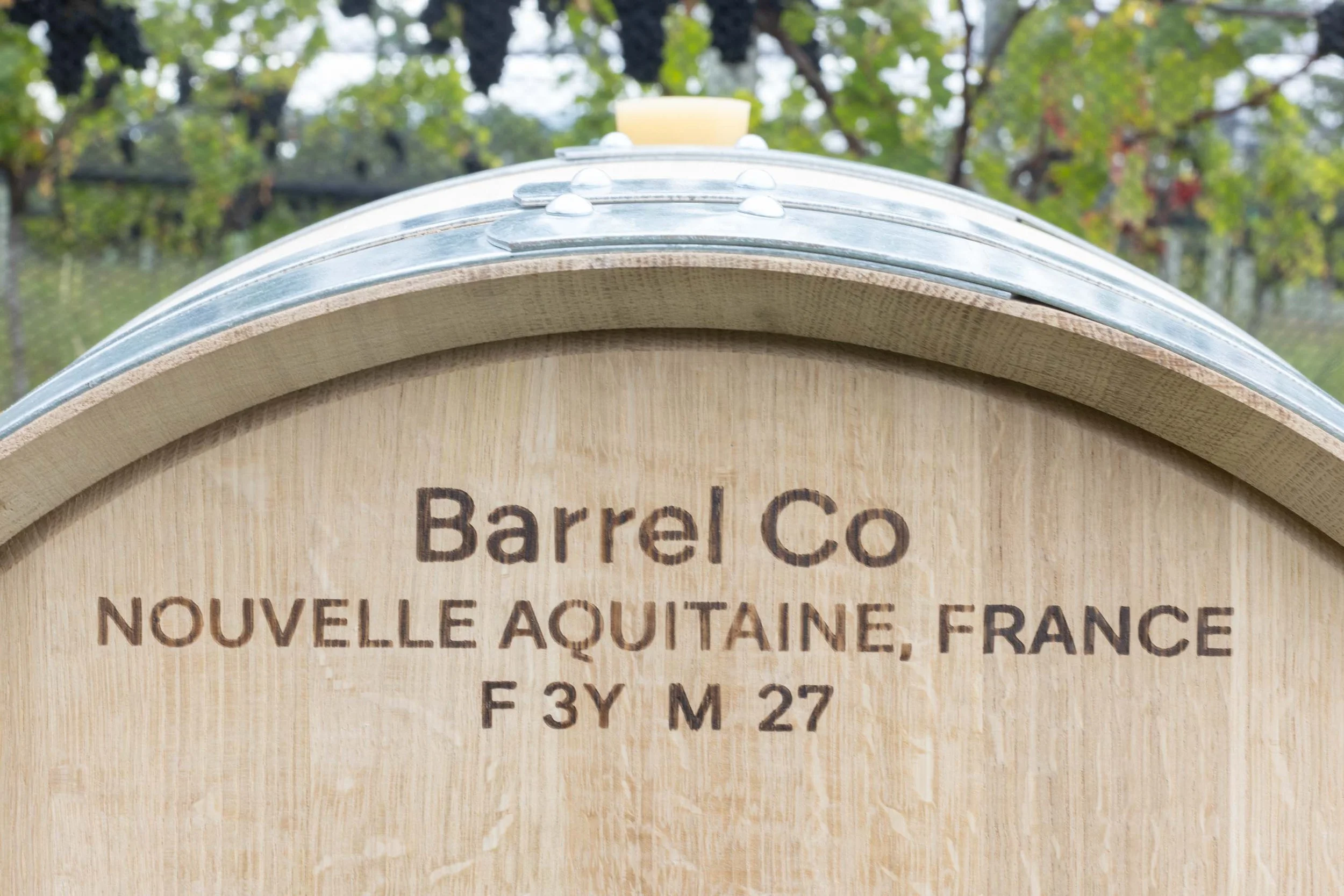
For the first article in our Barrel consistency series, I had originally planned to discuss oak provenance and grain together – but it makes more sense to give each the attention it deserves. After all, both play a role in how a barrel performs, and ultimately, how your wine evolves.
For this note we’re using provenance to refer to the country of origin of the oak. Provenance could also be extended to include a forest or even a parcel within a forest, however taking it down that far could limit later discussion of grain-based selection criteria.
Provenance is often the starting point when thinking about how a barrel will shape a wine. But it gives you direction, not precision – and variability at this stage is difficult to correct later.
Choosing oak species to match style and intent
There are many oak species available, each generally suited to particular styles or products. American white oak (Quercus alba) is typically associated with bourbon and whiskey, driven by its high lactone content, though it is also used in barrels for some wine styles.
Eastern European oak (from Hungary, Slovenia, Germany and others) sits closer to French oak in terms of species but is often chosen either for a spicier profile or for more neutral, structural aging depending on source and format.
At Barrel Co, we focus on French oak, as we see it as best suited to the majority of red wine and Chardonnay being produced in New Zealand, given the cues we take from Bordeaux and Burgundian wine styles.
That said, provenance should always align with the style you’re aiming to achieve.
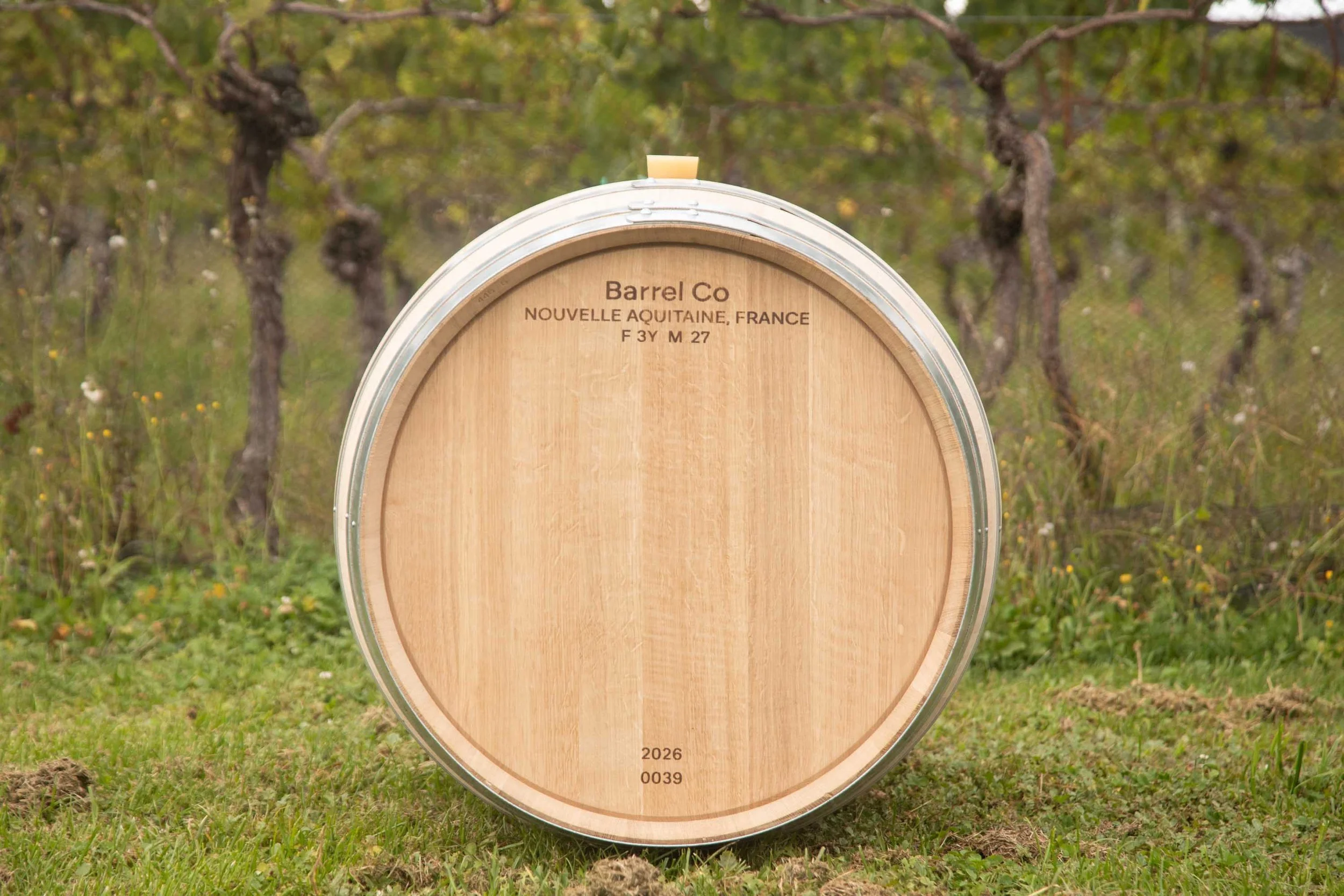
French oak: what’s really in the forest
French oak is generally understood as two main species:
Sessile (Quercus petraea)
Pedunculate (Quercus robur)
In practice, it’s more complex than that. These species have grown alongside each other for centuries, so most forests – and even individual parcels – contain a mix rather than a single species.
In addition, a considerable number of hybrids now exist which may impact barrel consistency. Within any forest or forest parcel, you’re not working with a single, uniform material, but a mix, shaped by genetics, site, soil and competition over time.
That’s an example of why provenance names alone don’t always translate cleanly into predictable outcomes in the cellar.
How sessile and pedunculate oak influence wine style
At a high level, the differences between the two are consistent.
Sessile oak tends to be more aromatically expressive, with lower tannins and a softer, rounder profile
Pedunculate oak is generally more tannic, coarser in grain and more structural
This is why sessile oak is typically preferred for fine wine barrels, particularly for styles influenced by Bordeaux and Burgundy, as is common in New Zealand.
Under equivalent toasting:
Sessile oak tends to deliver more pronounced vanilla, spice and sweet notes, with less astringency
Pedunculate oak contributes more tannic grip, bitterness and structural weight, with less aromatic richness
These differences are driven by the composition of the wood itself, particularly grain. Sessile oak generally has higher levels of aromatic extractives and lower ellagitannin content, while pedunculate oak shows the opposite – higher tannin concentration and lower levels of aromatic compounds.
There are also differences in taste-active compounds. Sessile oak tends to be richer in sweet triterpenoids and lower in bitter compounds, which contribute to a rounder flavour profile. Pedunculate oak carries more bitter elements, reinforcing its more structural, sometimes firmer expression.
Why species alone doesn’t tell the full story
While species play a role, it’s not always how wood is practically selected or classified. Because sessile and pedunculate oak often grow together and hybridise, cooperages don’t typically separate staves strictly by species. Without a direct link to the merrandièr – the French stavemaker – the best information you may get is that your staves came from a Sessile or Pedunculate oak “dominant” parcel. Instead, merrandièr prefer to work with characteristics that are easier to observe and control, particularly grain, with their experience of their forests enabling them to maintain a consistent mix between the two species, promoting barrel consistency.
There’s a strong relationship between species and grain:
Sessile oak is more often associated with tighter grain
Pedunculate oak tends toward wider grain
But it’s not absolute. Site conditions, growth patterns and tree variation all influence the final result.
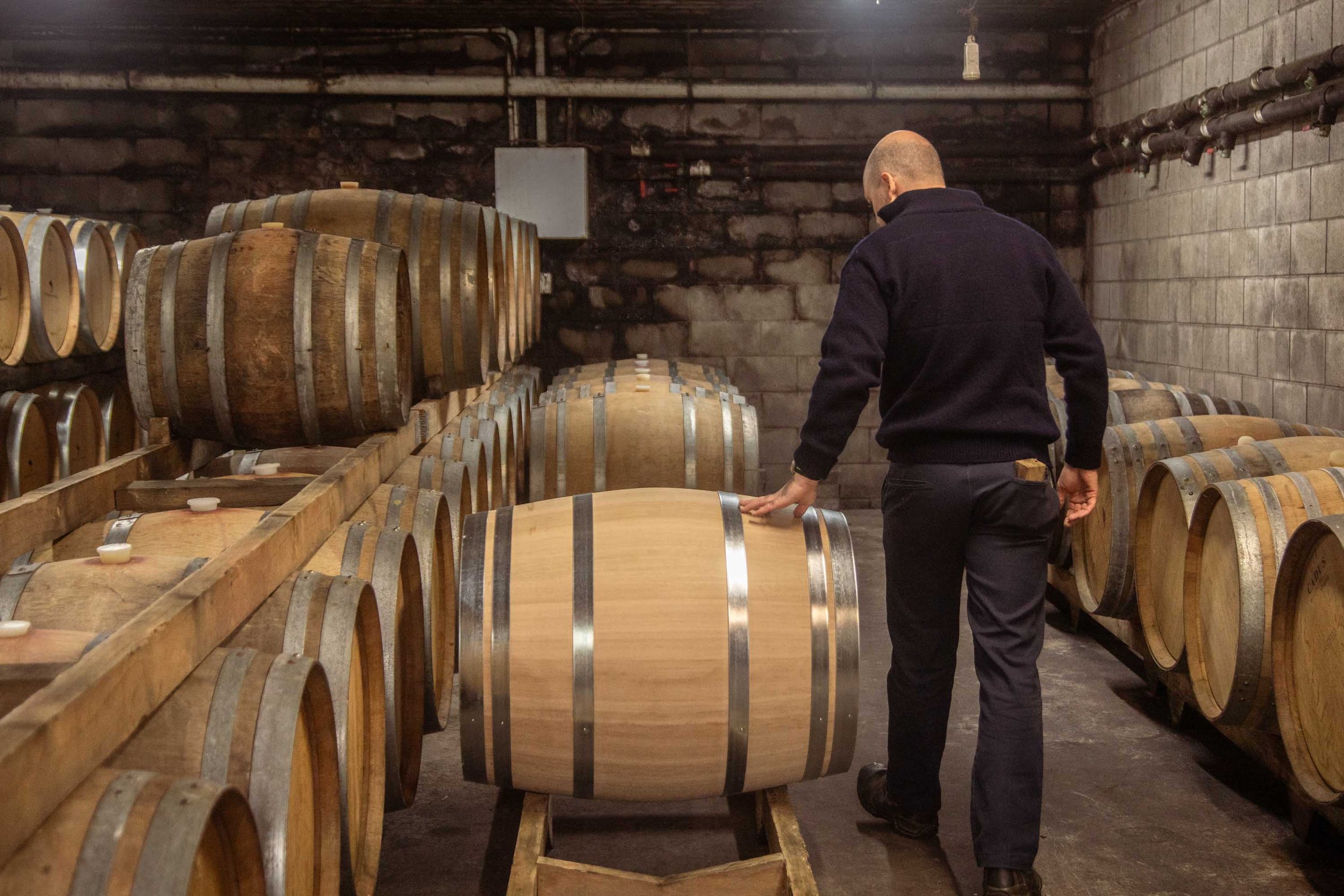
What provenance means for consistency in practice
Provenance gives you direction. It helps align barrel choice with style. But it doesn’t guarantee precision. Two barrels from the same forest or even the same tree can still behave differently, because the underlying wood isn’t identical. That’s simply the nature of working with a natural material.
What matters is understanding what sits behind that provenance, and how those characteristics are being selected and managed by the merrandièr and cooper. That’s where consistency is built.
Collaborating with Barrel Co
At a practical level, it’s worth having a clear conversation with your merrandièr or cooperage about what you’re actually getting, not just in terms of forest, but in terms of how the wood has been selected within and across years.
Understanding that detail becomes more important if you’re looking to reduce variation across a programme. We partner with one of France’s leading independent merrandièr, with five generations of experience in forestry and stave production for many of France’s most respected tonnellerie.
Working closely with stave selection at source, we can help you better understand how grain selection supports consistency and style, giving a clearer, more consistent starting point.