
Toasting: how heat transforms oak into flavour
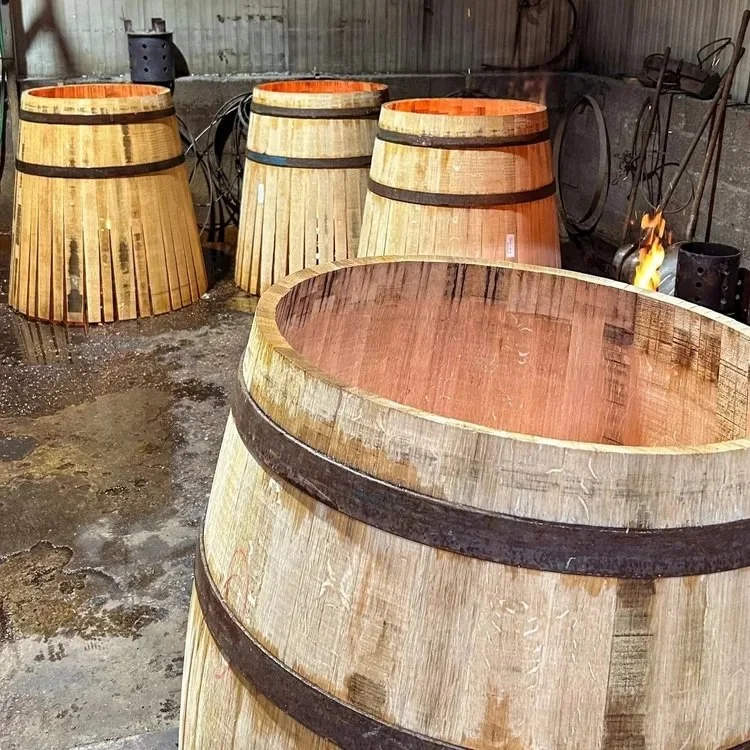
There's a moment in every cooperage that's easy to miss: a bare oak barrel over a slow flame, smoke threading through the staves, the cooper watching like a chef over a reduction. This is toasting, and it's where much of the barrel's future influence on the wine is decided.
An untoasted stave is full of potential. Toasting unlocks that potential, transforming the wood's natural compounds into the aromas, flavours, and textures that will later shape the wine.
As with our previous articles, we're not looking at which toast level suits which wine. That is a stylistic decision for you as the winemaker. Instead, we'll focus on the toasting process itself, the factors that create variation between barrels, and the steps cooperages take to improve consistency.
Why barrels are toasted
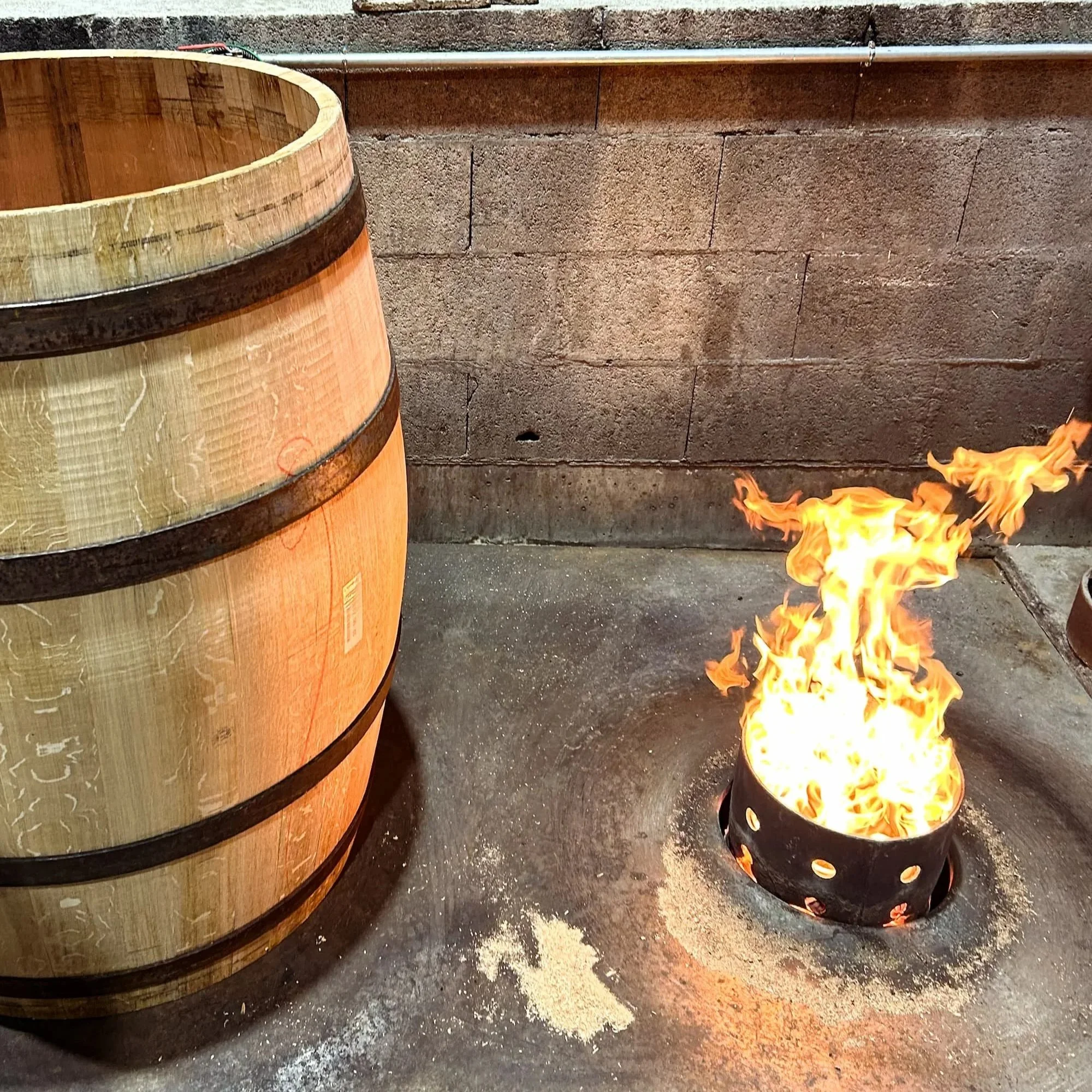
At its simplest, toasting means heating the inside of an oak barrel over flame or controlled heat. While heat helps coopers bend the staves into shape, its real importance is the chemical transformation it creates within the wood.
As heat penetrates the stave, it breaks down key oak compounds and generates the flavour-active molecules that influence the wine during maturation. Depending on the toast profile, these can contribute notes ranging from vanilla, caramel, coconut and baking spice through to coffee, smoke, and dark chocolate.
Hemicellulose degrades into sugars and subsequently caramelises, contributing notes of caramel, toffee, and sweetness.
Lignin breaks down into aromatic aldehydes such as vanillin, syringaldehyde, and coniferaldehyde, responsible for vanilla spice and smokey notes.
Lipids and oak lactone precursors evolve into cis- and trans-oak lactones, contributing coconut and woody aromas.
Tannins are modified, often becoming softer, less astringent and more polymerised, affecting mouthfeel.
During toasting, oak’s poor thermal conductivity characteristics mean heat is concentrated in a relatively shallow layer of the stave, giving you that strong gradient from a toasted surface to relatively unaffected wood deeper in, which is central to how toast profiles are developed. Toasting also creates a thermal gradient through the stave thickness. This gradient plays a key role in oxygen transfer and extraction kinetics during elevage.
Toast selection, then, is essentially programming the timeline of oak influence.
The toast spectrum
Toast levels generally fall into three broad categories:
Light toast: preserves ellagitannins and native oak character, adds gentle sweetness and structure, minimal smoke.
Medium / medium-plus: the sweet spot for most wines, maximising vanillin, caramel, spice, and pastry notes without overwhelming fruit.
Heavy toast: strong smoke, char, coffee, and roasted complexity, but less structural tannin and less obvious vanilla or fresh oak.
Fire does not simply season the barrel; it sculpts when and how the wine encounters different layers of the wood. In that sense, toast selection becomes a way of influencing the evolution of the wine throughout élevage.
For wineries, this makes barrel specification a genuine creative tool – a way to extend winemaking intent from the vineyard into the cellar, bottle by bottle.
How toasting shapes the wine in your glass
The influence of toasting extends well beyond aroma. It affects several aspects of wine development:
Aromatic: different toast levels and profiles determine the balance between fresh oak (coconut, raw wood) and secondary aromas (vanilla, coffee, spice, smoke).
Flavour integration: proper toasting enhances harmony, while poorly controlled toasting can result in dominant or disjointed oak characters.
Tannin structure: toasting modifies ellagitannin reactivity, influencing perceived astringency and polymerisation within grape tannins.
Oxygen transmission: heat alters wood porosity and microstructure, indirectly affecting oxygen ingress and redox evolution.
Sulphur compound interactions: toasting can influence the formation or binding of volatile sulphur compounds, affecting reductive or smoky notes.
Importantly, these effects are not determined solely by the stated toast level. Time-temperature curves, heating intensity, and stave moisture all contribute to the final sensory outcome.
The same grape variety can feel completely different depending on the barrel. A Merlot might show hints of chocolate in one toast profile, while another red wine may offer coconut and sweet spice from another toast profile. White wines like Chardonnay can pick up flavors of vanilla, caramel, honey, buttered toast, or toasted marshmallow when aged in carefully toasted barrels.
In short, toasting gives winemakers a finely tuned seasoning rack. It’s how you tweak the final blend so that each label in a range has its own distinct style and point of difference.
To finish
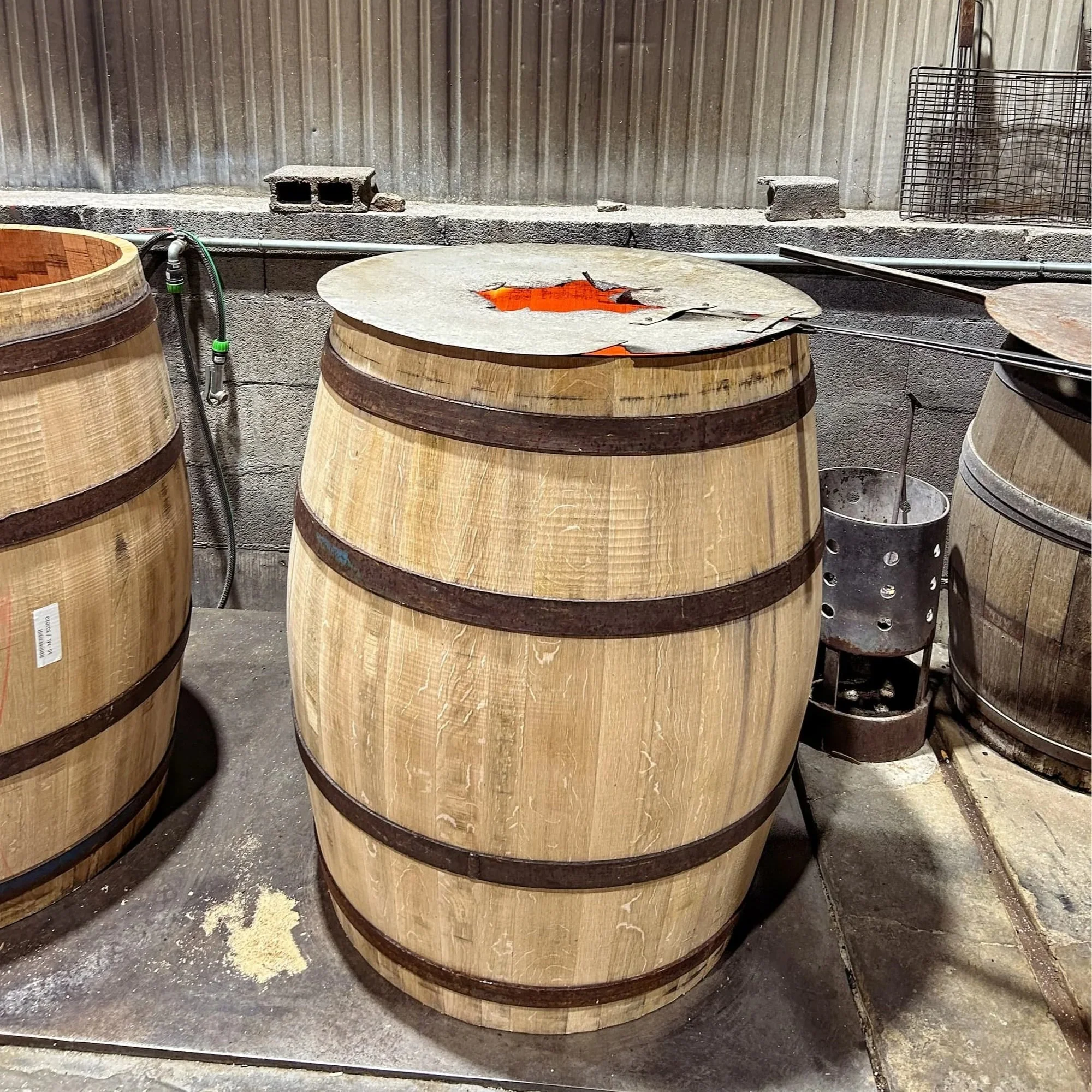
Toasting remains the core expression of cooperage science. It is a controlled thermal engineering process that converts naturally variable wood into a repeatable, functional interface for wine maturation. Grain selection, seasoning discipline, moisture control, and thermal kinetics each play quantifiable roles.
The future of oak toasting lies in aligning artisan sensory judgment with measurable heat‑transfer parameters, ensuring that the sensory integrity promised by origin and craftsmanship is consistently realised in the finished wine.
Next: managing variation in oak toasting
If selecting a toast level were the whole story, every barrel ordered to the same specification would perform identically. In reality, factors such as stave moisture, grain density, heat management, and cooper technique can all influence the final result.
In our next article, we'll explore why two barrels with the same toast profile can behave differently in the cellar, and the steps coopers take to reduce variation and deliver more consistent outcomes from barrel to barrel and vintage to vintage.
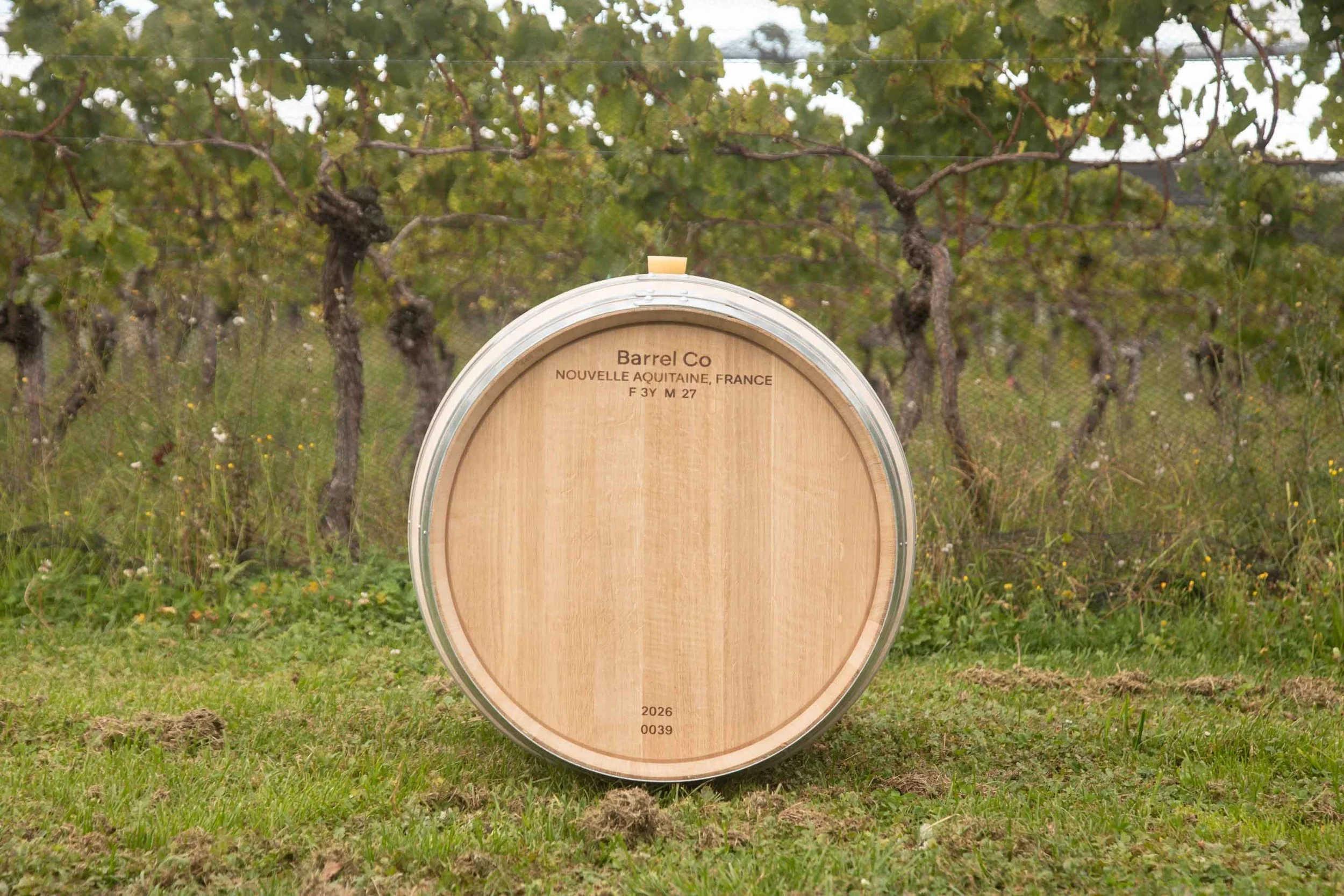
Barrel Co was created with a long view: to build a local cooperage model shaped around New Zealand’s climate, winemaking styles, and sustainability goals.
We’re not an agent. Barrel Co is a New Zealand–owned barrel supplier with our own French cooperage partner.
As we grow, our plan is to bring barrel manufacturing to New Zealand shores using French oak, shortening the supply chain to achieve cost efficiency and reduce the carbon footprint of every barrel.
