
The art of seasoning oak: How time shapes a barrel’s character
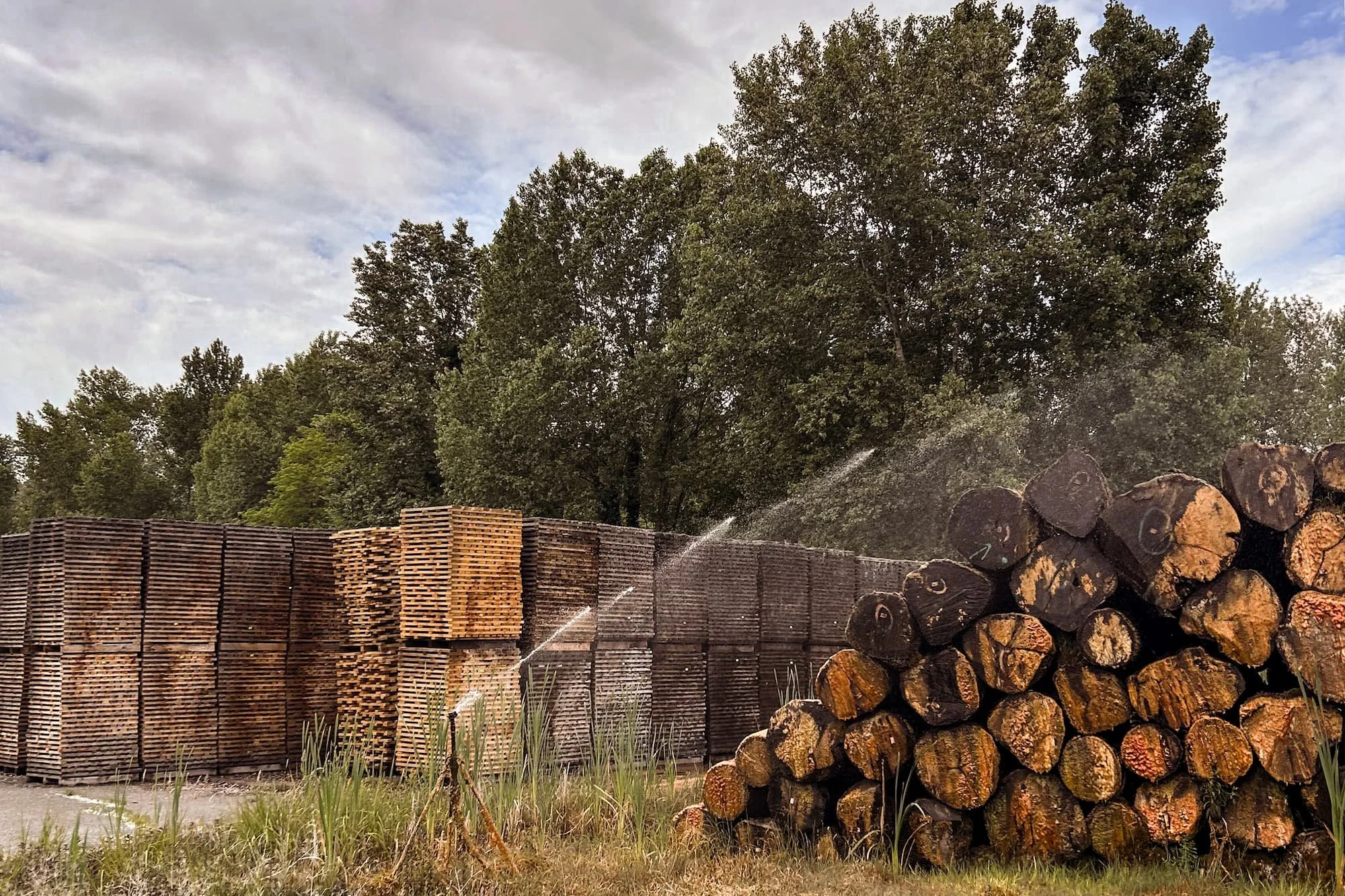
Seasoning oak is the quiet work that determines how reliably a toasted barrel will shape wine.
Seasoning is about taking a naturally variable material and exposing it to weather over time, so staves emerge as consistently as possible around a target style. Freshly sawn oak is full of raw tannins and green, bitter compounds that will overwhelm a wine if it's coopered too soon.
By stacking staves in open air for seasons – ideally years – rainfall washes out harsh tannins, wind and sunlight oxidise the fibres, and native microflora break down coarse elements into. By the time the oak reaches the toasting stage, well-seasoned staves are more predictable, more forgiving, and better aligned to the style the winemaker is aiming for aromatic precursors.
Why seasoning matters
Seasoning prepares the oak physically and chemically for toasting. Without it, even the most precise toasting regime can leave green, bitter, or scorched characters instead of the sweet, toasty, and spicy notes winemakers are seeking.
During seasoning, the elements and microorganisms work together to:
Reduce moisture content and improve stave stability
Leach out aggressive tannins and astringent polyphenols
Break down complex oak compounds
Develop and modify aromatic precursors
How the oak is seasoned determines how predictably it will respond to heat and, ultimately, how reliably it will shape a wine’s aroma, texture, and personality. Seasoning builds on what comes before it: consistent species and grain selection provide the foundation, and seasoning refines that material so the final barrels track closer to the desired mean.
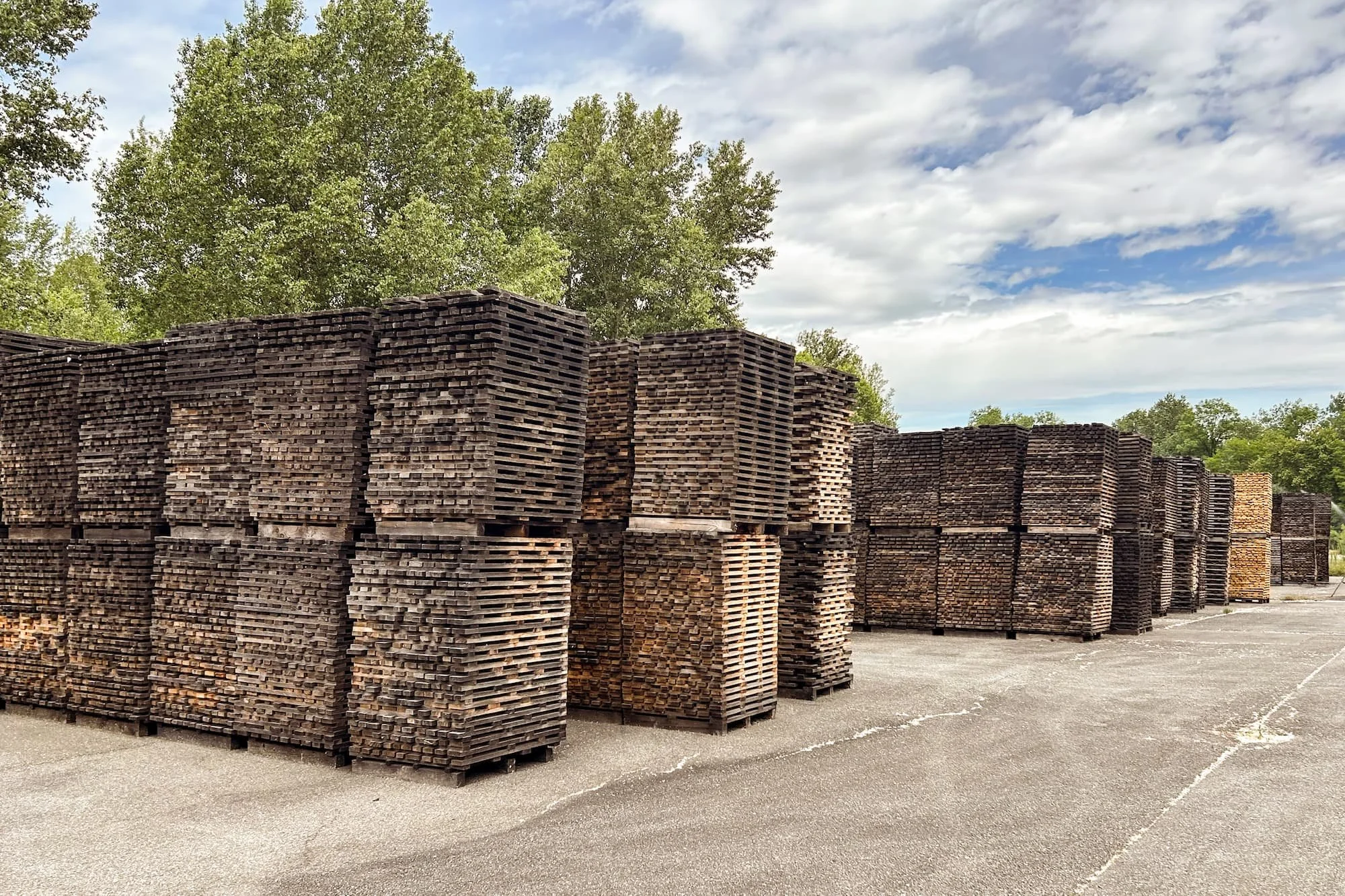
Oak staves stacked for seasoning at Barrel Co’s French stave maker partner.
Seasoning and toasting: a partnership
Think of seasoning as preparing the ingredients and toasting as the cooking method. Poorly seasoned or kiln-dried staves are like underprepared ingredients: the toast struggles to convert hard, unwashed compounds, leaving green bitterness or burnt, coarse flavours in the wine.
When staves are properly seasoned, toasting can express a cleaner spectrum of aromas, from subtle baking spices in lighter toasts through to espresso, smoke, and chocolate notes in heavier styles.
Seasoning influences how oak responds to heat in several ways:
Well-seasoned oak can release desirable aromatic compounds at lower toast temperatures.
It helps develop precursors that later become vanillin, furfural, guaiacol, and other flavour-active compounds.
Tannins soften before heat is applied, contributing to a more polished mouthfeel.
In the toasting bay, fire caramelises sugars, transforms lignin into vanilla, spice, and smoky notes, and creates the familiar toast spectrum. Toasting is the visible step; seasoning is the work behind the scenes that helps ensure the result is balanced rather than aggressive, and integrated rather than coarse.
How long to season?
This is the winemaker’s decision, based on their varietal and style objectives and brand story. Our general default position is three years, but it’s unlikely that properly seasoned staves of a constant timeframe will cause barrel variations because of seasoning itself.
A shorter timeframe may be entirely appropriate, again given varietal, style objectives and affordability given price positioning.
Some winemakers may favour seasoning in excess of three years, but the incremental gains must be weighed against the cost of holding inventory for another year or two. Stavemakers and coopers won’t do it for free. For most wines, especially where margins are tight, the benefit of extra seasoning may be marginal given the cost. For ultra-premium wines, where price can accommodate the additional cost, extended seasoning may still be justified.
Seasoning alone does not determine the final flavour profile. That remains the role of toasting. What seasoning does provide is greater predictability and responsiveness once the oak meets the fire.
Whichever way winemakers choose to go, don’t get too eclectic as that oak may not be available next year and as such you may have created a continuity problem.
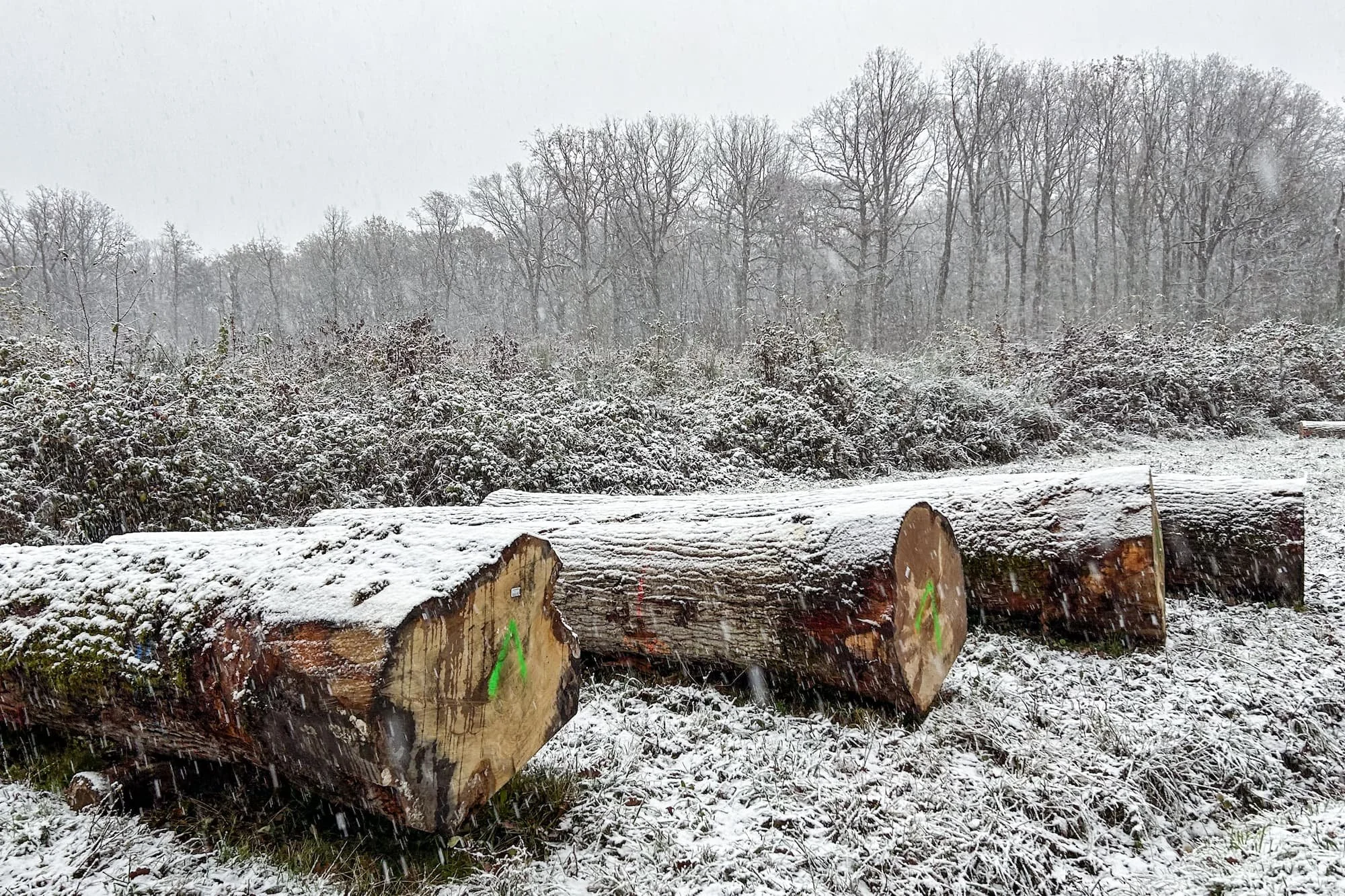
The importance of process consistency
Traditional outdoor seasoning brings its own challenges. Different stave parks, and even different positions within a single stack, can experience distinct microclimates that influence seasoning outcomes.
Variation can arise from differences in weather exposure, drying rates, microbial activity, stock rotation practices, and stave dimensions. Any variation in seasoning introduces variability that the subsequent toasting is unlikely to fully correct.
The aim is not to eliminate variability entirely, but to tighten outcomes around a consistent mean.
Even within a single stack, staves positioned at the top, bottom, inside, or outside can experience very different levels of sun, wind, and rainfall. Regular restacking and rotation help redistribute that exposure and produce more uniform seasoning outcomes over time.
As a rule, maintaining consistency in park location, handling practices, and seasoning duration helps maintain a consistent pattern of variability. Understanding how staves are restacked, rotated, and monitored throughout the process is critical to improving consistency.
Commercial realities
For most wineries, it is not financially realistic to demand bespoke seasoning protocols tailored solely to their requirements. Unless a winery represents a significant volume customer, a cooper or stave maker is unlikely to restructure their entire seasoning programme around a single client.
Given that seasoning largely determines how toasting will ultimately develop the oak's aromatic profile, the focus should be on minimising variation around the mean rather than attempting to eliminate variability altogether.
Key questions to explore with your stave maker or cooper:
Is the location of stave parks kept reasonably consistent over time?
How is moisture content monitored before production?
How frequently are staves restacked and rotated?
How tightly are seasoning timeframes controlled relative to target?
A stave seasoned for 18 months will produce different post-toast aromatics from one seasoned for 30 months, even if both nominally belong to a "two-year" programme. Understanding how suppliers manage that spread is therefore important.
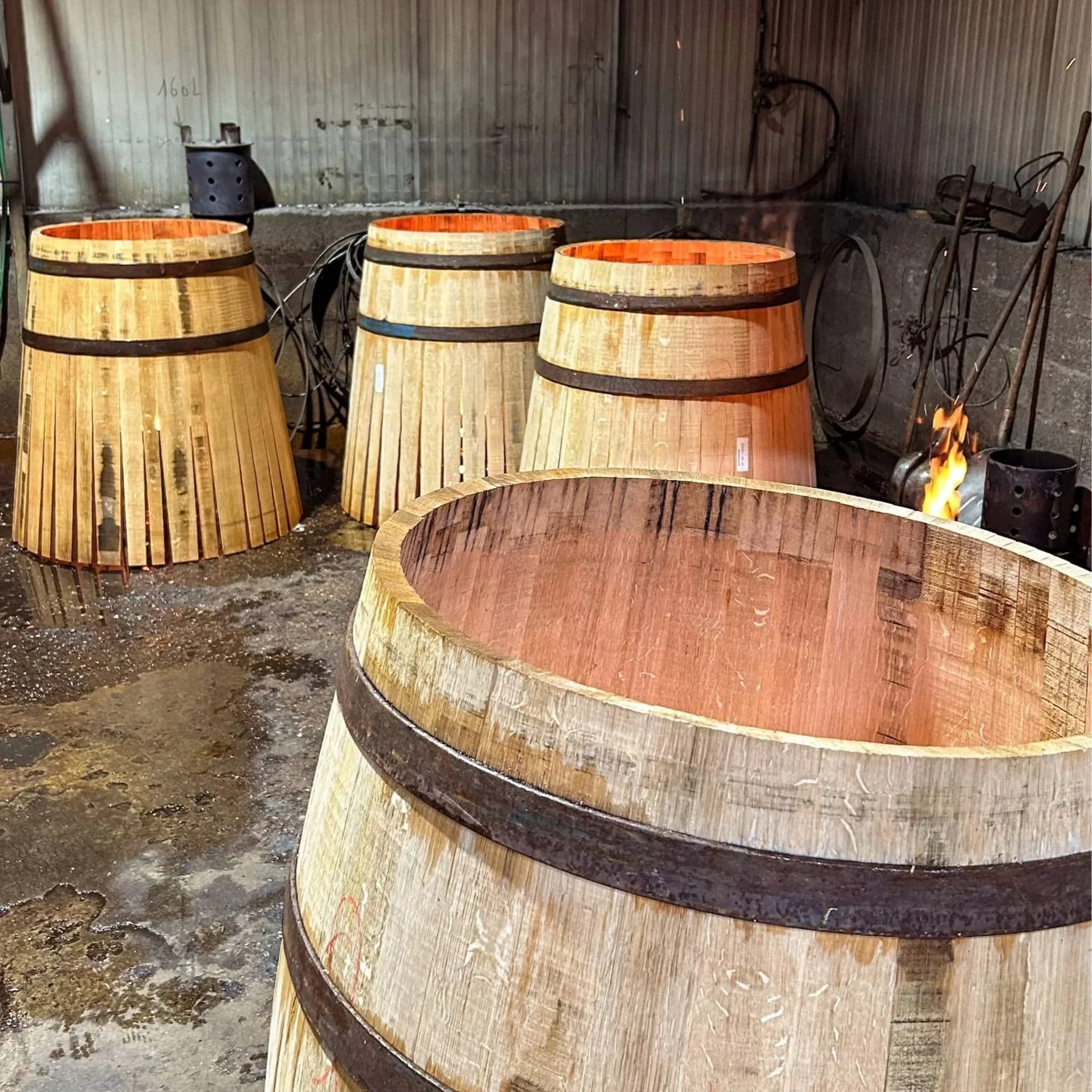
What well-seasoned oak delivers
When the barrel is finally toasted, heat transforms what seasoning has prepared. Properly seasoned and toasted oak delivers aromas of vanilla, spice, and roasted nuts rather than green oak or resin. On the palate, it supports structure without harshness, lengthens the mid-palate, and allows fruit to remain centre stage.
For more than a century, our cooper has refined the art of seasoning oak through careful selection, patience, and process discipline. The objective is simple: balanced, consistent staves that help every barrel express its intended style as reliably as possible.
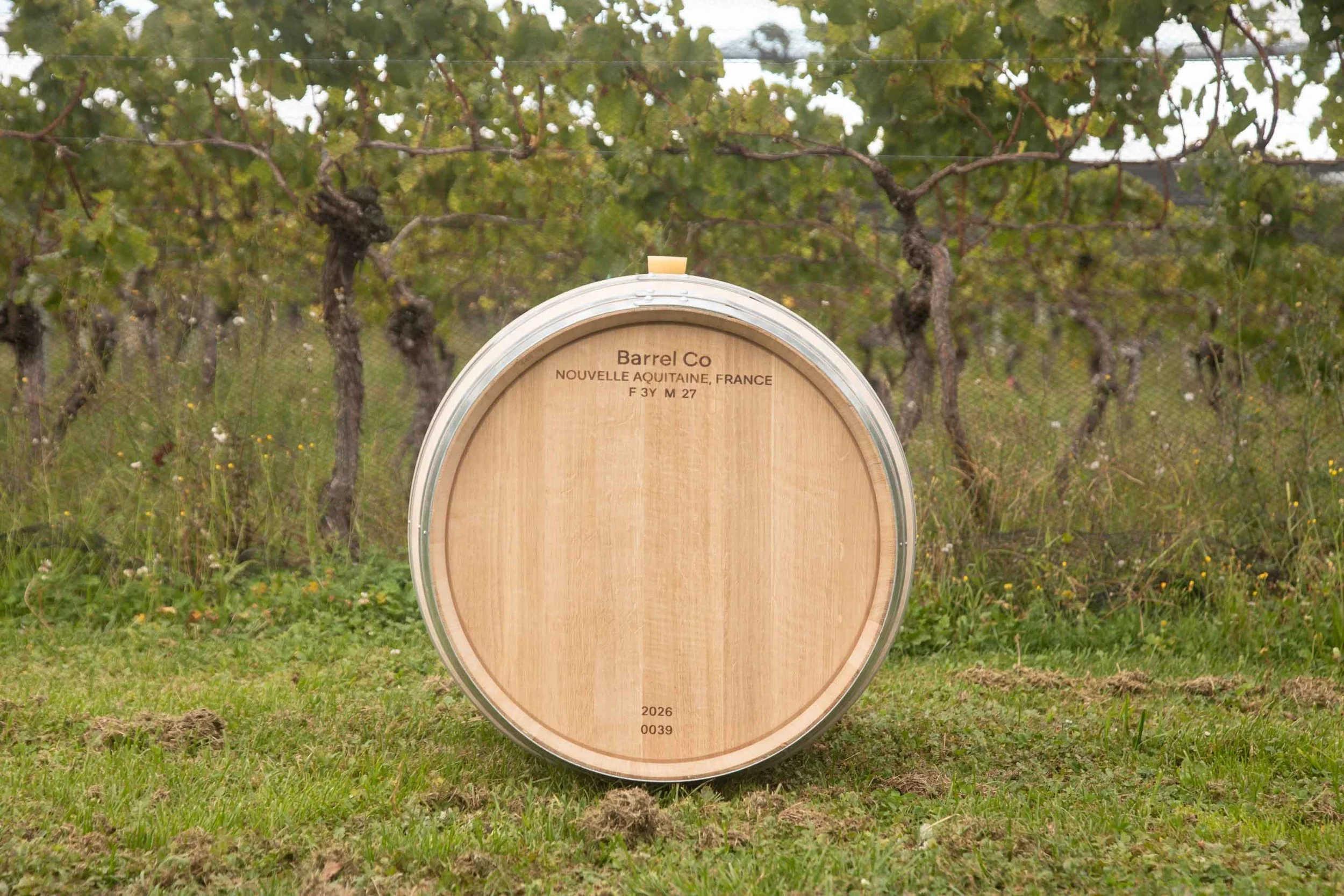
Barrel Co was created with a long view: to build a local cooperage model shaped around New Zealand’s climate, winemaking styles, and sustainability goals.
We’re not an agent. Barrel Co is a New Zealand–owned barrel supplier with our own French cooperage partner.
As we grow, our plan is to bring barrel manufacturing to New Zealand shores using French oak, shortening the supply chain to achieve cost efficiency and reduce the carbon footprint of every barrel.
