
The next generation of oak wine barrels: reducing variation, protecting quality, controlling cost.
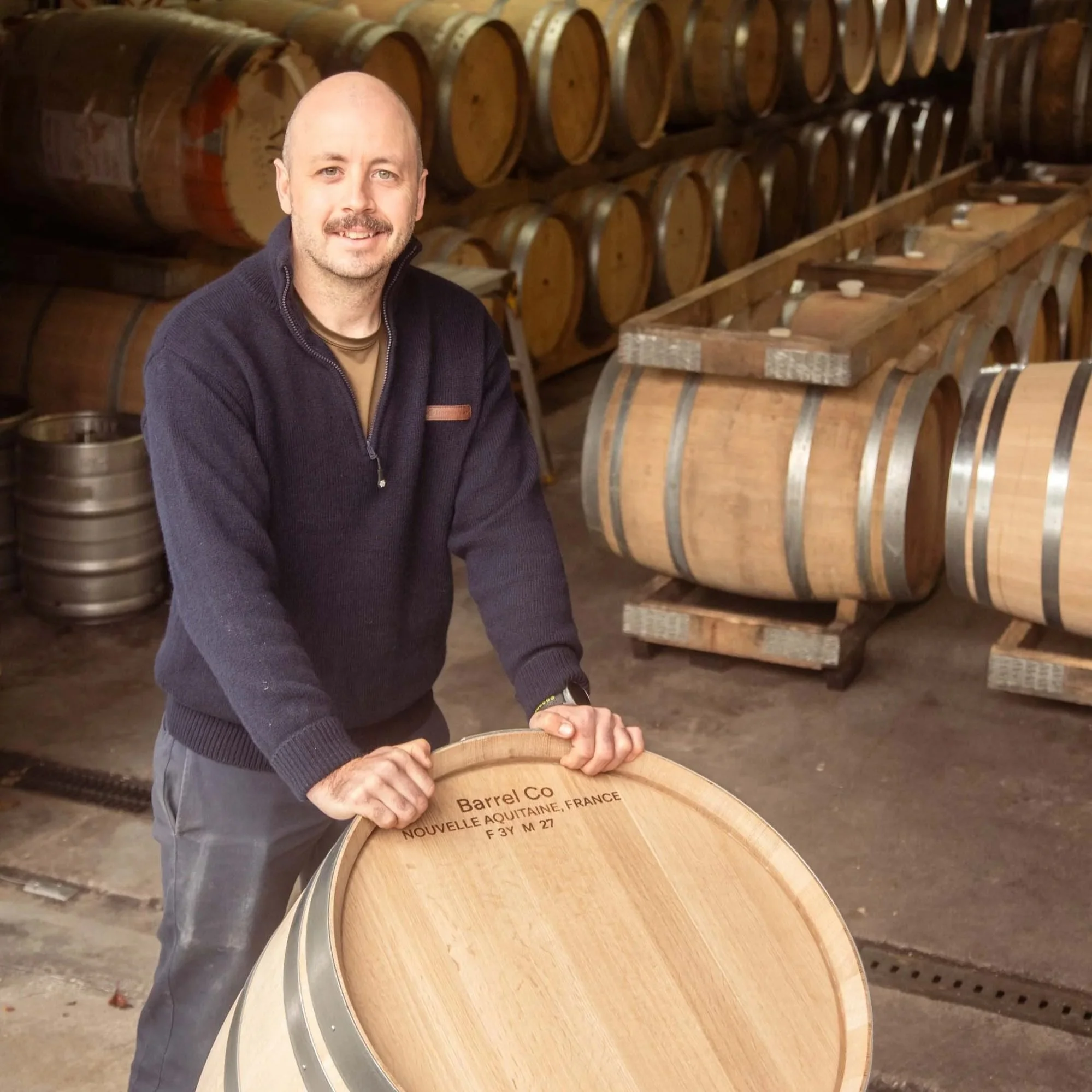
Oak remains one of the most powerful levers a winemaker has to shape flavour, texture, colour and longevity. It enriches wines with vanillin, coconut, spice and caramel notes, modifies tannin structure, stabilises colour and supports the slow oxygenation associated with barrel maturation.
At the same time, barrels can be a major source of variability. Two seemingly identical barriques can take the same wine in noticeably different directions, while inconsistencies in production processes can compound that variation over time.
Cooperages have already made significant progress in reducing mechanical variation through better machining, automation and process control. The next challenge is harder: understanding and managing the natural variability within the oak itself, and proving which inputs and processes actually lead to more consistent outcomes in the cellar.
That is where we see the next phase of cooperage innovation.
From manual craft to mechanisation
Over the last thirty or so years, innovation in cooperage has generally focused on improving log yields, reducing labour costs, and developing a greater understanding of oak chemistry and how it is influenced by grain selection, seasoning and toasting.
The introduction of technologies such as programmable logic controllers (PLCs) and computer numerical controls (CNCs) has substantially reduced labour input and shifted cooperages from a predominantly craft-based sequence of standalone operations towards more controlled manufacturing systems.
CNC systems have improved the accuracy of wood machining, helping create more consistent stave-to-stave fit, reduce rework and potential leakage, and improve timber yield. PLCs have made multi-stage machinery, handling systems and safety controls more repeatable and synchronised.
Together, these technologies have enabled higher production levels to meet increasing worldwide demand for barrels, while allowing skilled labour to be focused on the parts of the process that continue to rely on the cooper’s traditional skills and experience.
But mechanical consistency is only part of the challenge. Oak itself remains highly variable: forest origin, grain orientation, stave conversion, seasoning, moisture, extractable compounds and heat response can all influence how a barrel performs.
The highest-value use of PLC/CNC technology is therefore not to replace the cooper’s judgement, but to remove avoidable mechanical variation so that differences in oak and toast can be better understood, measured and managed.
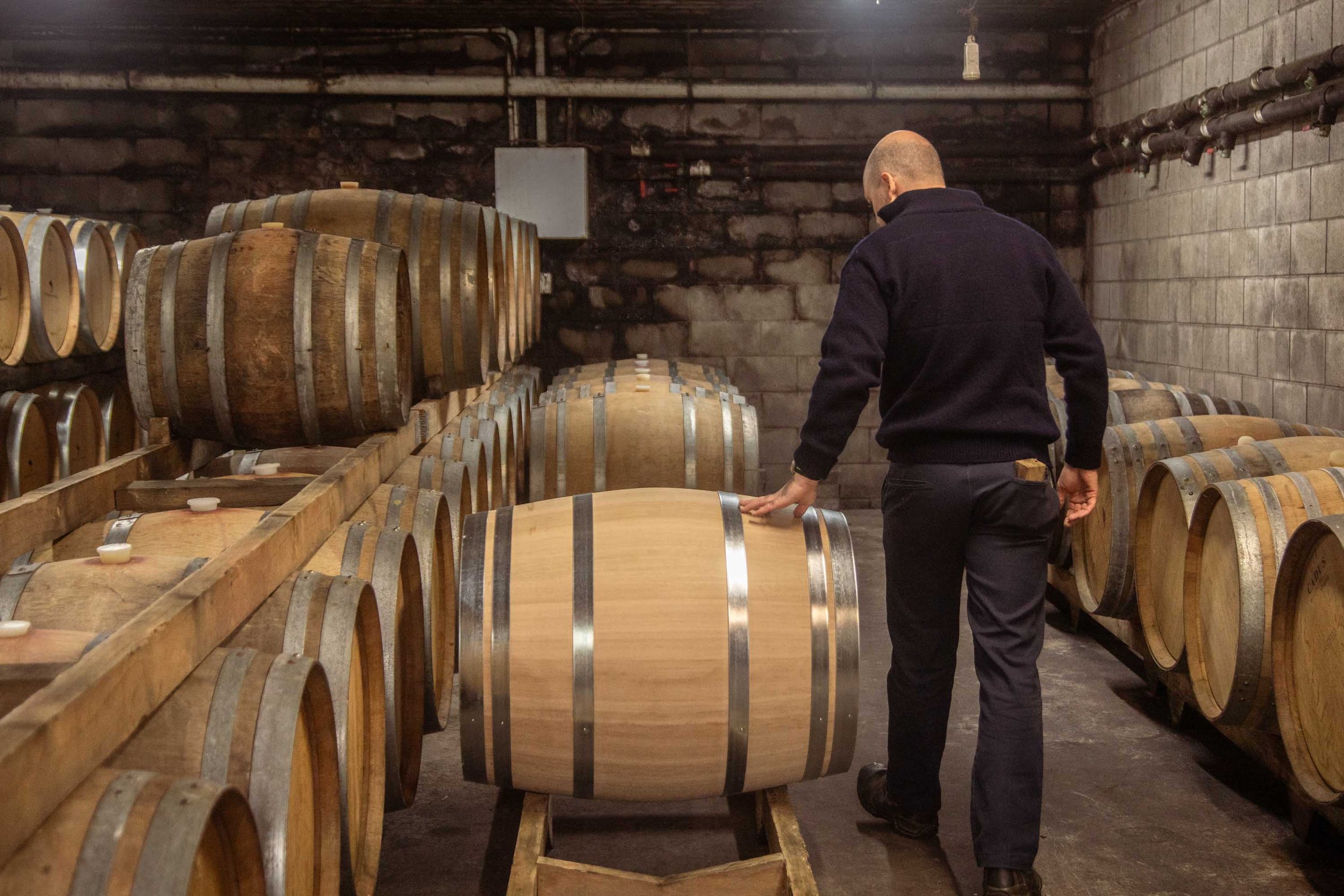
The cooper’s role remains especially valuable in areas where wood variability matters: stave grading, assessment of grain and defects, judgement of fit, toast interpretation, final inspection and repair.
Innovating for barrel consistency
A good barrel starts with good wood. Historically, “good” has been defined by what an experienced cooper can see and feel: grain, colour, defects and the like. That expertise remains invaluable, but it cannot reliably detect differences in chemical and structural properties that later contribute to variation in extraction and oxygen transfer.
Research has shown that differences between staves can lead to measurable variation in phenolic extraction, colour and aromatic development within the same lot of wine, even under identical cellar conditions.
Near-infrared and similar rapid-analysis tools are beginning to offer ways to quantify some of that variability, including sorting staves by tannin potential. While these technologies are a step forward, they also have significant limitations. They focus on tannin potential rather than providing a broader volatile aroma profile for each stave, and the models used can be highly sensitive to variables such as forest, species, seasoning, moisture content and processing route. Change those conditions and the model may no longer perform reliably. Tannin potential also tells only part of the story, as the sensory influence of oak tannin can be outweighed by toast profile, wine matrix and maturation conditions.
Toasting is where much of a barrel’s flavour profile is created. Heat breaks down lignin, hemicellulose and other oak compounds, generating the volatile phenols, lactones and furans responsible for valued aromatics.
When toasting is controlled solely through time and temperature “recipes”, there is a risk that too much emphasis is placed on the inputs rather than the aromatic result. Barrel positioning, reaction to flare-ups and subjective judgement can all influence the outcome. That skill can produce exceptional barrels; however, it can also introduce batch-to-batch variation.
The time-and-temperature approach also has significant limitations. It assumes a level of homogeneity that simply does not exist in oak, which varies by species, forest or parcel, tree, board position and other factors. It also fails to account for moisture content and seasoning history, while a single temperature reading cannot capture the heat flux received by the oak or the difference between surface and internal stave temperatures. In effect, it reduces a complex, three-dimensional process to a relatively narrow set of measurements.
Time-and-temperature recipes also do not account for climatic conditions within the cooperage itself, such as ambient temperature and humidity, which can also affect toast outcomes.
For us, these shortcomings point to the need for better measurement of outcomes, not just tighter control of inputs.
Continuing the search for consistency
Our view is that further data-driven innovation has the potential to significantly improve barrel consistency. By extending these analyses, cooperages may be able to produce barrels that behave more consistently in areas such as extractive power and oxygen transfer, with a clearer understanding of how inputs and processes relate to aromatic outcomes.
The key limitation of recent innovation is its reliance on a relatively constrained set of input variables, alongside the assumption that those inputs will reliably predict tannin potential and aromatic outcomes. With so many variables at play in both the oak and the coopering process, we need to prove those relationships rather than assume they exist.
New technologies can now measure post-toast aromatic outputs in real time and compare them with input variables, helping build more accurate models of how heat converts hemicellulose, lignin and phenolics into aromatic compounds.
So why haven’t these technologies been more widely adopted? Time, cost and the level of investment required to validate them at scale are likely to be part of the answer. There is also a bigger question: if we measure a broader range of variables, will the consistency attributed to current approaches hold up?
Until that work is done, it is difficult to know. Expanded data analysis may ultimately result in fewer barrels falling outside specification, less variation within and between production runs, and more predictable sensory outcomes in the cellar.
Where does that leave us?
Innovation ultimately comes down to where the greatest return can be achieved. Data analysis remains top of that list.
By tightening variation at the wood and manufacturing stages, cooperages and wineries have the potential to achieve more consistent flavour, structure and quality while improving cost efficiency across winemakers’ barrel programmes.
Innovation in cooperage has been, and may continue to be, relatively slow due to limited investment, the small scale of many cooperages and a strong preference for traditional production methods.
For some winemakers, the artisanal nature of barrel production remains an important part of the story behind their wines. Others value a degree of variability because it brings uniqueness and personality.
And that matters. The goal is not to make every barrel identical. Complete homogeneity risks removing some of the character and differentiation that makes oak valuable in the first place.
The opportunity is to better understand and control the variation that matters.
Whether the industry chooses to pursue further innovation in advanced data analytics, oak chemistry and more precise heat-based conversion, the conversation has clearly shifted from simply producing barrels to producing them more consistently. For winemakers, that means greater predictability without necessarily sacrificing character, and that has positive implications for both quality and cost.
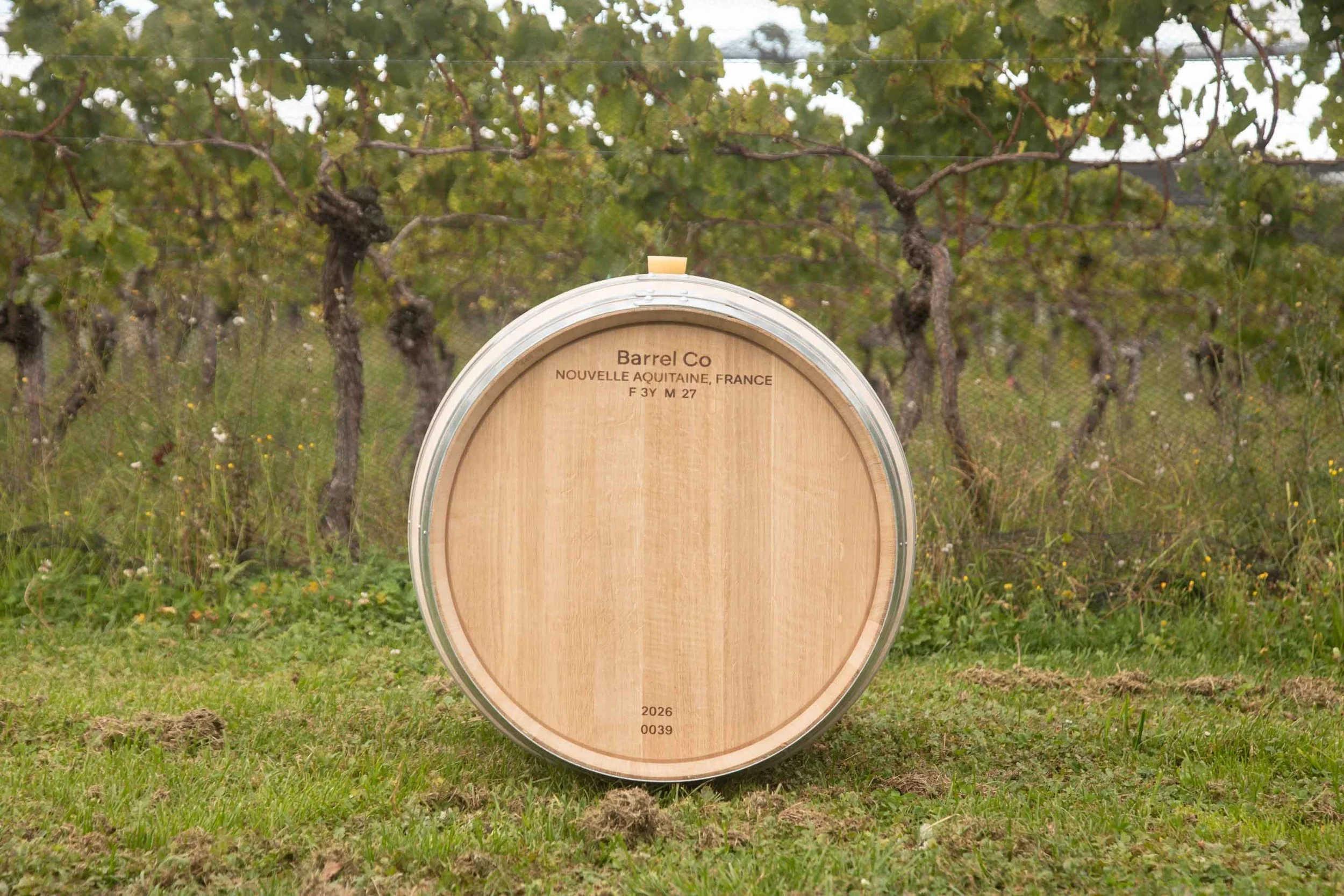
Barrel Co was created with a long view: to build a local cooperage model shaped around New Zealand’s climate, winemaking styles, and sustainability goals.
We’re not an agent. Barrel Co is a New Zealand–owned barrel supplier with our own French cooperage partner.
As we grow, our plan is to bring barrel manufacturing to New Zealand shores using French oak, shortening the supply chain to achieve cost efficiency and reduce the carbon footprint of every barrel.
